
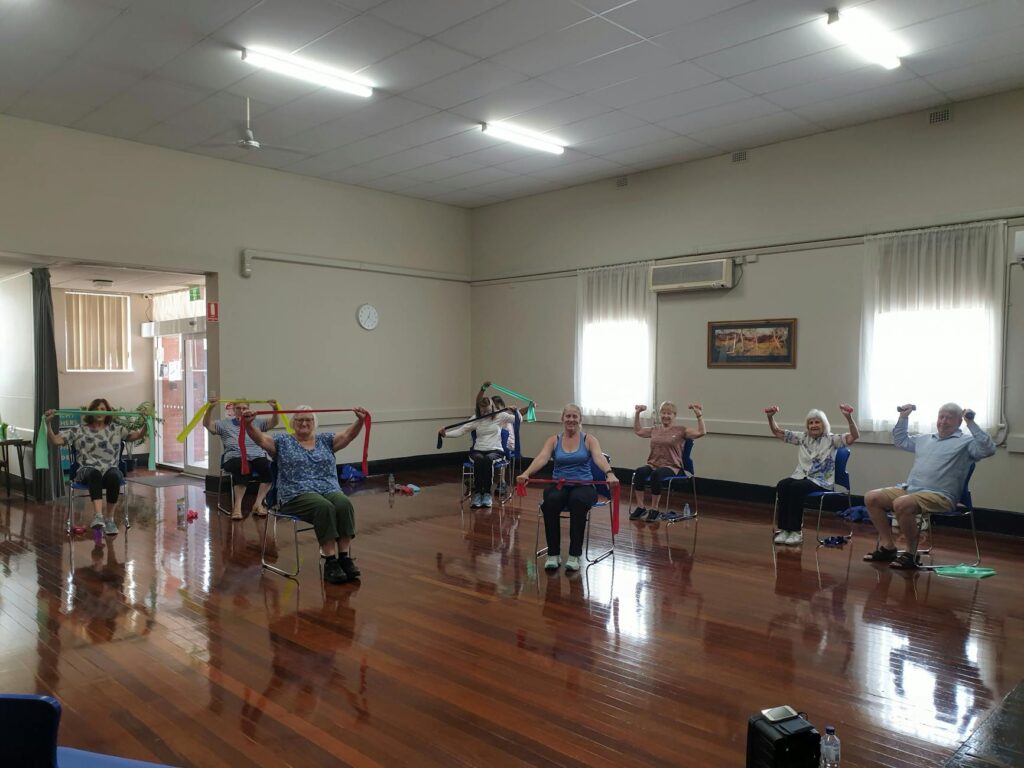
Aging does not mean giving up on movement. In fact, regular physical activity becomes more important as we grow older. For many older adults, traditional workouts like jogging, gym sessions, or floor exercises may feel unsafe or uncomfortable. That’s where chair exercises for seniors come in.
Chair exercises are simple, low-impact movements performed while sitting on or holding onto a chair. They are specially designed to improve strength, flexibility, balance, and circulation—without putting stress on joints.
Whether someone is recovering from illness, dealing with arthritis, or just beginning a fitness journey, chair exercises offer a safe and effective way to stay active.
In this comprehensive guide, you’ll learn everything about chair exercises for seniors: benefits, safety tips, complete routines, beginner to advanced movements, and how to build a daily habit for long-term health.
Why Chair Exercises for Seniors Are So Important
As people age, muscle mass naturally decreases, joints become stiffer, and balance may weaken. This can increase the risk of falls, chronic pain, and loss of independence. The good news is that regular movement can slow or even reverse many of these changes.
Key Reasons Seniors Should Do Chair Exercises
- Reduce joint pain and stiffness
- Improve circulation and heart health
- Increase muscle strength and endurance
- Enhance balance and coordination
- Support independence in daily activities
- Boost mood and mental clarity
Chair exercises for seniors are especially helpful for those who:
- Have limited mobility
- Use walkers or wheelchairs
- Are recovering from surgery or illness
- Feel unsteady standing for long periods
Health Benefits of Chair Exercises for Seniors
1. Improves Muscle Strength
Muscle loss (sarcopenia) is common with aging. Chair exercises help strengthen:
- Legs (for walking and standing)
- Arms (for lifting and reaching)
- Core muscles (for posture and balance)
Even gentle resistance builds strength over time.
2. Supports Joint Health and Flexibility
Chair exercises involve controlled, smooth movements that:
- Lubricate joints
- Reduce stiffness from arthritis
- Improve range of motion
Regular movement can make daily tasks like dressing or climbing stairs easier.
3. Enhances Balance and Reduces Fall Risk
Falls are a major concern for seniors. Chair exercises:
- Strengthen stabilizing muscles
- Improve coordination
- Build confidence in movement
Many exercises can be modified to progress from seated to standing safely.
4. Boosts Heart Health
Chair exercises may look gentle, but they still:
- Increase heart rate
- Improve blood circulation
- Support cardiovascular health
This is especially helpful for seniors who cannot perform high-impact cardio.
5. Improves Mental Health and Mood
Physical activity releases endorphins, which:
- Reduce stress and anxiety
- Improve sleep quality
- Help fight depression
Group chair exercise sessions can also reduce loneliness and improve social connection.
Safety Tips Before Starting Chair Exercises
Before beginning any exercise routine, seniors should take a few safety precautions.
Important Safety Guidelines
- Use a sturdy chair with no wheels
- Sit on a flat, non-slippery surface
- Wear comfortable clothing and supportive shoes
- Keep water nearby
- Move slowly and with control
- Stop immediately if pain, dizziness, or shortness of breath occurs
If you have chronic conditions such as heart disease, diabetes, or severe arthritis, it’s best to consult a healthcare provider before starting.
Best Chair Exercises for Seniors (Step-by-Step)
Below is a complete list of effective chair exercises for seniors, grouped by body area.
Chair Exercises for Seniors: Upper Body
1. Seated Arm Raises
How to do it:
- Sit tall with feet flat on the floor
- Raise both arms overhead slowly
- Lower them back down
Benefits: Strengthens shoulders and arms Repetitions: 10–15 times
2. Seated Shoulder Rolls
How to do it:
- Sit upright
- Roll shoulders forward in a circular motion
- Repeat backward
Benefits: Reduces neck and shoulder tension Repetitions: 10 rolls each direction
3. Seated Bicep Curls
How to do it:
- Hold light dumbbells or water bottles
- Bend arms upward, then lower slowly
Benefits: Strengthens arms for lifting tasks Repetitions: 10–12 times
4. Chair Punches
How to do it:
- Sit upright
- Punch arms forward alternately
- Keep core tight
Benefits: Improves arm strength and coordination Repetitions: 20–30 punches
Chair Exercises for Seniors: Lower Body
5. Seated Leg Extensions
How to do it:
- Sit straight
- Extend one leg forward
- Lower and switch legs
Benefits: Strengthens thighs and knees Repetitions: 10 per leg
6. Seated Marching
How to do it:
- Lift one knee toward chest
- Lower and alternate
Benefits: Improves hip strength and circulation Repetitions: 20 total marches
7. Heel and Toe Raises
How to do it:
- Raise heels while toes stay on floor
- Then raise toes while heels stay down
Benefits: Improves ankle strength and balance Repetitions: 15 each
Chair Exercises for Seniors: Core and Posture
8. Seated Torso Twists
How to do it:
- Sit tall
- Gently twist torso left and right
Benefits: Improves spinal flexibility Repetitions: 10 twists each side
9. Seated Knee Lifts
How to do it:
- Lift one knee
- Hold briefly and lower
Benefits: Strengthens abdominal muscles Repetitions: 10 per leg
10. Seated Side Bends
How to do it:
- Bend gently to one side
- Return to center and switch
Benefits: Improves waist flexibility Repetitions: 10 each side
Chair Exercises for Seniors: Full-Body Movements
11. Sit-to-Stand Exercise
How to do it:
- Sit at edge of chair
- Stand up slowly
- Sit back down
Benefits: Improves leg strength and independence Repetitions: 5–10 times
12. Seated Jumping Jacks (Low Impact)
How to do it:
- Open arms and legs outward
- Bring them back in
Benefits: Improves circulation and coordination Repetitions: 15–20 times
Chair Yoga Exercises for Seniors
Chair yoga is a gentle form of exercise that combines stretching, breathing, and relaxation.
13. Seated Cat-Cow Stretch
- Inhale, arch back slightly
- Exhale, round spine gently
Benefits: Improves spinal mobility
14. Seated Forward Bend
- Bend forward slowly
- Relax neck and shoulders
Benefits: Stretches lower back
15. Seated Deep Breathing
- Inhale through nose
- Exhale slowly through mouth
Benefits: Reduces stress and improves lung function
Beginner Chair Exercise Routine for Seniors
Duration: 15–20 minutes
- Shoulder rolls – 2 minutes
- Seated marching – 3 minutes
- Arm raises – 2 minutes
- Leg extensions – 3 minutes
- Torso twists – 2 minutes
- Deep breathing – 3 minutes
Perfect for beginners or daily movement.
Advanced Chair Exercises for Seniors
Once strength improves, seniors can:
- Add light weights
- Increase repetitions
- Combine movements
Example:
- Bicep curls + leg extensions
- Punches + marching
How Often Should Seniors Do Chair Exercises?
- 3–5 times per week for best results
- Even 10–15 minutes daily is beneficial
- Consistency matters more than intensity
Chair Exercises for Seniors with Arthritis
Chair exercises are ideal for arthritis because they:
- Reduce joint pressure
- Improve mobility
- Decrease stiffness
Focus on slow, controlled movements and gentle stretching.
Chair Exercises for Seniors with Limited Mobility
For seniors using wheelchairs or with severe mobility issues:
- Focus on upper-body exercises
- Perform assisted leg movements
- Emphasize breathing and posture
Even small movements make a difference.
Tips to Stay Motivated with Chair Exercises
- Exercise at the same time each day
- Play soft music
- Exercise with friends or family
- Track progress weekly
- Celebrate small improvements
Final Thoughts on Chair Exercises for Seniors
Chair exercises for seniors are one of the safest, easiest, and most effective ways to stay active at any age. They need minimal equipment, can be done at home, and are adaptable for all fitness levels.
Whether the goal is to reduce pain, improve strength, or maintain independence, chair exercises provide real, lasting benefits. The most important step is simply to start—one movement at a time.
Frequently Asked Questions (FAQ) About Chair Exercises for Seniors
Chair exercises for seniors are becoming increasingly popular because they are safe, effective, and suitable for almost every fitness level. Below are the most commonly asked questions, answered in detail, to help seniors, caregivers, and family members understand how chair exercises work and why they are so beneficial.
1. What are chair exercises for seniors?
Chair exercises for seniors are low-impact physical movements performed while sitting on a chair or using a chair for support. These exercises are specifically designed to improve strength, flexibility, balance, and circulation without putting excessive strain on joints or muscles.
They are ideal for older adults who:
- Have limited mobility
- Experience joint pain or arthritis
- Are recovering from surgery or illness
- Feel uncomfortable standing for long periods
Chair exercises can include arm movements, leg lifts, stretching, breathing exercises, and even light cardio movements, all adapted for safety and comfort.
2. Are chair exercises really effective for seniors?
Yes, chair exercises for seniors are highly effective when done consistently. While they may appear gentle, they help activate muscles, improve joint mobility, and support cardiovascular health.
Studies and real-life experience show that chair exercises can:
- Increase muscle strength
- Reduce stiffness and pain
- Improve balance and coordination
- Support independence in daily activities
Even short daily sessions of chair exercises can lead to noticeable improvements in strength, energy levels, and overall quality of life.
3. Who should do chair exercises?
Chair exercises are suitable for almost all seniors, especially those who:
- Are over 60 years old
- Have difficulty walking or standing
- Use walkers, canes, or wheelchairs
- Have chronic conditions such as arthritis, diabetes, or osteoporosis
They are also useful for seniors who are new to exercise and want a safe starting point. Chair exercises can be adapted for beginners as well as more active older adults.
4. How often should seniors do chair exercises?
Most experts recommend that seniors perform chair exercises:
- 3 to 5 times per week, or
- Daily for 10–30 minutes, depending on comfort and fitness level
Consistency is more important than intensity. Even a short daily routine can provide significant health benefits over time. Seniors should start slowly and gradually increase duration or repetitions as strength improves.
5. Can chair exercises help with balance and fall prevention?
Yes, chair exercises for seniors are excellent for improving balance and reducing the risk of falls. Many falls occur due to weak leg muscles, poor coordination, or reduced confidence in movement.
Chair exercises help by:
- Strengthening leg and core muscles
- Improving posture
- Enhancing coordination and body awareness
Some exercises can be progressed from seated to supported standing, further improving balance in a safe way.
6. Are chair exercises safe for seniors with arthritis?
Chair exercises are one of the best exercise options for seniors with arthritis. They are gentle on joints and help reduce stiffness and pain.
Benefits for arthritis include:
- Improved joint lubrication
- Reduced inflammation
- Increased range of motion
- Less morning stiffness
Seniors with arthritis should focus on slow, controlled movements and avoid pushing through pain. Warm-up exercises and gentle stretching are especially important.
7. Can chair exercises improve heart health?
Yes, chair exercises can support cardiovascular health, especially for seniors who cannot perform traditional aerobic exercises.
Chair-based cardio movements such as:
- Seated marching
- Arm punches
- Low-impact jumping jacks
can increase heart rate, improve blood circulation, and support overall heart health. While chair exercises may not replace intense cardio workouts, they are very effective for maintaining heart function in older adults.
8. Do chair exercises help with weight management?
Chair exercises can support weight management when combined with a healthy diet. While they may not burn as many calories as high-impact workouts, they help by:
- Increasing metabolism
- Preserving muscle mass
- Encouraging daily movement
For seniors, maintaining muscle and mobility is often more important than rapid weight loss. Chair exercises help prevent weight gain and support long-term health.
9. What equipment is needed for chair exercises?
One of the biggest advantages of chair exercises for seniors is that they require very little equipment.
Basic needs include:
- A sturdy chair without wheels
- Comfortable clothing
- Supportive shoes
Optional equipment:
- Light dumbbells or water bottles
- Resistance bands
- Small exercise ball
Most chair exercises can be done at home without any special tools.
10. Can seniors do chair exercises every day?
Yes, most seniors can safely do chair exercises every day, especially if the exercises are low-intensity and varied.
Daily chair exercises can:
- Reduce stiffness
- Improve circulation
- Boost mood and energy
It’s a good idea to alternate focus areas, such as upper body one day and lower body the next, to avoid overuse.
11. Are chair exercises suitable for seniors with limited mobility or wheelchair users?
Absolutely. Chair exercises are ideal for seniors with limited mobility or those who use wheelchairs.
Wheelchair-friendly chair exercises focus on:
- Arm and shoulder movements
- Core strengthening
- Neck and upper-body stretching
- Breathing exercises
Even small movements can improve circulation, posture, and muscle tone.
12. How long does it take to see results from chair exercises?
Results vary depending on consistency, health condition, and exercise intensity. However, many seniors notice:
- Improved flexibility within 1–2 weeks
- Increased strength within 3–4 weeks
- Better balance and confidence within a month
Long-term benefits such as reduced pain and improved independence develop over time with regular practice.
13. Should seniors consult a doctor before starting chair exercises?
While chair exercises are generally safe, seniors should consult a doctor or physical therapist if they:
- Have severe heart conditions
- Recently had surgery
- Experience frequent dizziness or chest pain
- Have advanced osteoporosis
A healthcare professional can recommend suitable exercises and ensure safety.
14. Can chair exercises improve mental health in seniors?
Yes, chair exercises have a positive impact on mental health. Physical activity releases endorphins, which help improve mood and reduce stress.
Mental health benefits include:
- Reduced anxiety
- Improved sleep
- Better focus and memory
- Lower risk of depression
Group chair exercise sessions can also help reduce loneliness and improve social connection.
15. What is the best time of day for chair exercises?
The best time is whenever the senior feels most comfortable and energetic. Many seniors prefer:
- Morning exercises to reduce stiffness
- Afternoon sessions for energy boost
- Light evening stretches for relaxation
The key is consistency rather than timing.
16. Can chair exercises replace walking or gym workouts?
Chair exercises may not fully replace walking or gym workouts for very active seniors, but they are an excellent alternative for those who cannot perform those activities safely.
For many seniors, chair exercises are:
- Safer
- More sustainable
- Easier to maintain long-term
They can also be combined with walking or light standing exercises.
17. How can seniors stay motivated to do chair exercises?
Staying motivated can be easier with a few simple strategies:
- Set small, realistic goals
- Exercise with a friend or family member
- Play music during workouts
- Track progress weekly
- Celebrate improvements
Making chair exercises part of a daily routine increases long-term success.
18. Are chair exercises suitable for seniors over 80 or 90 years old?
Yes, chair exercises are suitable for seniors of all ages, including those in their 80s and 90s. Exercises can be modified to match energy levels and physical ability.
Even gentle movements can:
- Improve circulation
- Reduce stiffness
- Enhance quality of life
Age should never be a barrier to safe movement.
Final FAQ Summary
Chair exercises for seniors are a safe, accessible, and highly effective way to stay active at any age. They support physical health, mental well-being, and independence, making them one of the best exercise options for older adults.
With consistency, proper safety, and simple movements, chair exercises can dramatically improve daily life—one chair at a time.